

Adderall Uses A Professional Guide to Treatment and Benefits
Adderall is a powerful prescription stimulant primarily used to treat Attention Deficit Hyperactivity Disorder (ADHD) and narcolepsy, helping millions regain focus and control over their daily lives. By balancing key brain chemicals, it dramatically reduces impulsivity and improves concentration, enabling users to perform at their peak. Whether in academic or professional settings, its targeted effects can be transformative for those with a legitimate diagnosis.
Medical Uses of Adderall
In hushed emergency rooms and quiet family clinics, Adderall found its first true calling not as a study aid, but as a lifeline for young minds trapped in a frantic fog. For children and adults diagnosed with Attention Deficit Hyperactivity Disorder, this stimulant medication acts as a gentle anchor. It doesn’t erase the person; it simply quiets the internal static, allowing ADHD treatment to transform chaotic energy into focused calm. A child who once bounced from one unfinished task to another can finally sit and solve a math problem. Beyond ADHD, Adderall remains a critical tool for narcolepsy, pulling patients back from sudden, involuntary sleep spells, granting them hours of alertness they thought were lost forever.
Treatment of Attention Deficit Hyperactivity Disorder (ADHD)
Adderall, a mix of amphetamine salts, is primarily prescribed to manage attention deficit hyperactivity disorder (ADHD) symptoms. It helps by boosting focus and reducing impulsive behavior, making daily tasks easier for those diagnosed. Beyond ADHD, doctors sometimes use it “off-label” for narcolepsy, specifically to fight sudden sleep attacks. Key medical considerations include:
- Dosage control: Starts low to avoid jitters or insomnia.
- Monitoring: Regular check-ups for heart rate or mood changes.
- Not for everyone: Avoided in people with anxiety or high blood pressure.
While effective, it’s a controlled substance due to addiction risk, so it’s always used under strict medical guidance.
Management of Narcolepsy
Adderall is primarily prescribed to manage Attention Deficit Hyperactivity Disorder (ADHD), helping patients improve focus, impulse control, and daily functioning. It works by balancing dopamine and norepinephrine levels in the brain. Medical uses also include treating narcolepsy, where it effectively combats excessive daytime sleepiness by stimulating the central nervous system. Dosage is carefully tailored to each patient, often starting low to minimize side effects like insomnia or appetite loss. Benefits can include:
- Enhanced concentration and task completion
- Reduced impulsive behavior
- Better organization and time management

Proper medical supervision is critical, as misuse or abrupt discontinuation can lead to dependence or withdrawal symptoms. When used correctly, Adderall transforms daily life for many with ADHD or narcolepsy.
Off-Label Prescribing and Experimental Applications

Dr. Elena first prescribed Adderall for a college student who couldn’t finish a single chapter without re-reading every line. The medication, a combination of amphetamine salts, directly targets dopamine and norepinephrine pathways to improve focus and impulse control. It’s not just for severe cases; many patients with moderate inattentiveness find it life-changing. Medical uses include:
- Treating Attention Deficit Hyperactivity Disorder (ADHD) to reduce distractibility.
- Managing narcolepsy, helping patients stay awake during daytime hours.
- Occasionally used off-label for treatment-resistant depression or cognitive fatigue.
Under strict medical supervision, Adderall helps rebalance brain chemistry, allowing users to organize thoughts and complete tasks that once felt impossible.
Mechanism of Action and Pharmacological Effects
The journey of the drug begins at the cellular gate, where it binds specifically to a receptor, acting as a key in a lock. This initial pharmacological action triggers a cascade of intracellular signals, altering enzyme activity or ion channel permeability. Within minutes, the primary therapeutic effect emerges—pain signals are muted, or blood pressure gently eases. However, the story doesn’t end there; secondary effects ripple outward, influencing distant organ systems. This delicate balance between desired relief and unintended adverse reactions defines the drug’s full profile, where a slight molecular twist can shift the narrative from healing to harm.
Stimulation of Central Nervous System
The mechanism of action for selective serotonin reuptake inhibitors involves blocking the serotonin transporter on presynaptic neurons, which prevents the reabsorption of serotonin into the nerve cell. This increases the concentration of serotonin available in the synaptic cleft, enhancing neurotransmission and mood regulation. Pharmacologically, this leads to elevated serotonin levels across key brain regions, including the prefrontal cortex and hippocampus, resulting in improved emotional stability and reduced anxiety. Antidepressant efficacy is achieved through this sustained serotonin modulation, though full therapeutic benefits often take weeks due to downstream receptor adaptations. Common effects include mood elevation, decreased obsessive thoughts, and improved sleep patterns, while side effects like nausea and sexual dysfunction arise from serotonin receptor activation in peripheral tissues.
Impact on Dopamine and Norepinephrine Levels
The mechanism of action unfolds like a key turning a lock; this drug binds selectively to the delta-opioid receptor, a G-protein-coupled receptor on central neurons. Activation inhibits adenylyl cyclase, reducing cAMP production, while closing presynaptic calcium channels. This halts the release of excitatory neurotransmitters like glutamate. Pharmacologically, the result is a swift, profound analgesic effect in the spinal cord and brainstem, modulating pain perception without the respiratory depression of mu-opioid agonists. The additional modulation of potassium channels hyperpolarizes neurons, further blunting pain signals. This targeted cascade produces clear, non-sedating relief, with a low potential for misuse: delta-opioid activation mimics the body’s own pain-dulling endorphins, weaving a story of quiet, specific cellular silence.
Short-Term vs. Long-Term Physiological Effects
The mechanism of action for selective serotonin reuptake inhibitors (SSRIs) involves blocking the serotonin transporter (SERT) on presynaptic neurons, which prevents the reuptake of serotonin into the nerve terminal. This acutely increases extracellular serotonin levels in the synaptic cleft, enhancing neurotransmission at postsynaptic receptors. Over several weeks, this sustained elevation leads to desensitization of autoreceptors and downstream neuroplastic changes, which are essential for the true antidepressant effect. Serotonin modulation through SERT inhibition is central to this process. Pharmacologically, SSRIs produce a gradual reduction in symptoms of depression and anxiety, with side effects such as nausea, insomnia, and sexual dysfunction being common due to non-specific serotonin stimulation in the gut and central nervous system.
- Key clinical effects: Mood elevation, reduced anxiety, improved sleep architecture.
- Onset: Therapeutic benefit typically seen after 2–4 weeks of consistent dosing.
Q&A
Q: Why do SSRIs not work immediately for depression?
A: Because the therapeutic benefit depends on downstream neuroplastic changes—like increased BDNF and synaptic remodeling—that require sustained serotonin elevation over several weeks, not just an acute chemical shift.
Cognitive Enhancement and Academic Performance

Amidst the glow of a midnight laptop, Sarah once believed that cramming harder was the only path to academic success. That changed when she discovered the world of cognitive enhancement. By integrating brain optimization supplements like omega-3s and controlled caffeine, paired with structured mindfulness, she sharpened her recall and focus. Her study sessions, once scattered, transformed into deliberate sprints of deep work. This synergy between nutrition and technique boosted her memory retention, turning challenging exams into manageable puzzles. For many students, embracing these tools isn’t about cheating—it’s about unlocking latent potential. Ultimately, improved study focus becomes the bridge between effort and true comprehension, proving that performance often begins not with the book, but with the brain itself.
Use Among College Students and Professionals
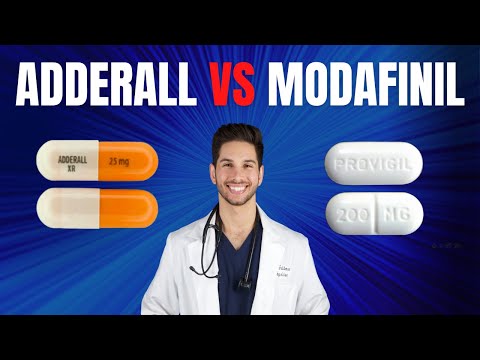
Cognitive enhancement techniques, from nootropics to brain-training apps, are increasingly popular among students seeking an edge. When used responsibly, these methods can boost focus and memory, directly impacting academic performance by aiding in faster learning and better retention. However, the most reliable gains come from optimizing sleep, nutrition, and stress management rather than relying on quick fixes. Ultimately, a holistic approach to cognitive health provides the strongest foundation for sustained success in school. Boost academic performance with natural cognitive enhancement strategies like modafinil vs adderall regular exercise and mindfulness, which consistently outperform unproven shortcuts in long-term studies.
Effects on Focus, Memory, and Executive Function
Cognitive enhancement tools, from nootropics to neurofeedback, are reshaping how students approach academic performance. Smart drug use in universities has surged, with substances like modafinil and methylphenidate reportedly used to sharpen focus and extend study sessions. Yet the benefits are double-edged: short-term gains in memory or concentration often come with risks of sleep disruption and dependency. Stimulant-based aids might boost recall for an exam, but they cannot replicate the deep learning gained through disciplined practice. Real mastery demands more than a chemical shortcut—it asks for sustained effort.
Risks of Neurotoxicity and Dependence
Cognitive enhancement refers to the use of evidence-based strategies, such as nootropics, neurofeedback, or structured study techniques, to boost mental functions like memory, focus, and processing speed. For students, targeted cognitive enhancement can directly elevate academic performance by improving retention and reducing cognitive fatigue during exams. Focus on sleep hygiene and spaced repetition as foundational tools. Key expert-recommended methods include:

- Nootropic supplements (e.g., caffeine with L-theanine) for alertness, but always consult a professional.
- Mindfulness meditation to strengthen working memory and reduce test anxiety.
- Active recall over re-reading—proven far more effective for long-term retention.
Avoid relying on polypharmacy without evidence, as risks often outweigh benefits. Prioritize sustainable habits: consistent exercise, hydration, and structured breaks prevent cognitive decline. Academic gains come from consistent, targeted cognitive training, not quick fixes.
Therapeutic Dosing and Administration Guidelines
The cornerstone of safe pharmacotherapy lies in rigorous adherence to therapeutic dosing and administration guidelines. These protocols, derived from pharmacokinetic and pharmacodynamic data, specify the precise dose, route, frequency, and duration required to achieve a desired clinical effect while minimizing toxicity. For example, loading doses may be needed to rapidly reach steady-state concentrations for certain antibiotics or antiarrhythmics, followed by lower maintenance doses. Administration considerations include timing relative to meals, rate of intravenous infusion, and the need for patient-specific adjustments based on renal or hepatic function. Experts emphasize that ignoring these parameters risks subtherapeutic outcomes or adverse drug events. Always verify the patient’s weight, organ function, and potential drug interactions before initiating therapy to ensure both efficacy and safety are optimized.
Standard Dosage Ranges and Titration
Therapeutic dosing isn’t just about picking a random number; it’s about finding the sweet spot where a drug works well without causing harm. Proper therapeutic administration ensures optimal drug efficacy and safety. For most medications, doctors start with a standard dose and then adjust it based on how your body responds or your kidney function. The route matters too—pills take a different path than an IV drip. Key factors include:
- Frequency: Some drugs need to be taken every four hours, others just once a day.
- Timing: Certain meds work better on an empty stomach or with food.
- Titration: Slowly increasing the dose to minimize side effects, like with blood pressure pills.
Always follow your prescription label exactly, and never double up a dose if you forget one—that can lead to toxicity. Your pharmacist or doctor can help tweak the plan if something feels off.
Immediate-Release vs. Extended-Release Formulations
Therapeutic dosing and administration guidelines ensure optimal drug efficacy while minimizing toxicity. These protocols define precise dosage ranges, frequencies, and routes—oral, intravenous, or topical—based on patient-specific factors like age, weight, renal function, and genetic profile. Precision in dosing transforms a potential poison into a potent healer. Key elements include loading doses to reach therapeutic levels quickly, followed by maintenance doses to sustain steady-state concentrations. Monitoring drug plasma levels and adjusting for interactions prevents adverse events. Dynamic regimens, such as titrating upward until desired effect, empower clinicians to tailor treatment in real time.
Monitoring for Side Effects and Contraindications
Therapeutic dosing is a precise balancing act, requiring careful calculation based on patient weight, renal function, and disease severity to maximize efficacy while minimizing toxicity. Pharmacokinetic monitoring is essential for narrow-therapeutic-index drugs. Administration guidelines typically dictate specific routes, infusion rates, and timing relative to meals to ensure consistent absorption. Key principles include:
- Adjusting doses for pediatric, geriatric, or hepatically impaired patients.
- Using loading doses to rapidly achieve steady-state concentration.
- Adhering to validated protocols for IV compatibility and dilution.
The right dose differentiates a poison from a remedy—titrate slowly, verify always.
Clinicians must also document every step, from preparation to patient response, ensuring no variable is overlooked in high-stakes regimens.
Potential Risks and Adverse Effects
While promising, this approach carries significant potential risks and adverse effects that must be acknowledged. Foremost among these is the danger of data bias, which can lead to unfair or discriminatory outcomes if the training datasets reflect historical prejudice. Furthermore, unintended deployment in high-stakes scenarios, such as healthcare or finance, might cause harm due to flawed predictions or a lack of transparency in decision-making. Users may also develop over-reliance, eroding critical judgment and oversight. Other adverse effects include privacy violations from data extraction and vulnerability to adversarial attacks that manipulate the system. Mitigating these risks demands rigorous testing, robust compliance, and continuous human supervision to ensure ethical and safe application.
Cardiovascular Complications
Potential risks and adverse effects are inherent to most medical treatments and interventions. Common issues include allergic reactions, ranging from mild skin rashes to life-threatening anaphylaxis. Side effects from medications can also involve gastrointestinal distress, drowsiness, or organ toxicity. Surgical procedures carry risks of infection, bleeding, or complications from anesthesia.
- Drug interactions may reduce efficacy or amplify toxicity when combining substances.
- Long-term use of certain therapies can lead to dependency, resistance, or chronic health problems.
Not all adverse effects are predictable, and individual responses vary significantly. Patients should always consult healthcare providers to weigh benefits against potential harms.
Psychological Effects: Anxiety, Insomnia, and Psychosis
When Sarah first tried the supplement, she felt a surge of energy—but within hours, nausea and a racing heart followed. Potential risks and adverse effects can emerge even with seemingly safe products. Common issues include severe allergic reactions, ranging from skin rashes to anaphylaxis. Gastrointestinal distress, such as cramping or diarrhea, often appears early. Some users report neurological symptoms like dizziness or confusion, especially with high doses. What begins as a minor discomfort can spiral into a long-term health challenge if ignored. Rare but dangerous possibilities include liver toxicity, kidney damage, or dangerous interactions with prescription medications. Always consult a healthcare provider before starting any new regimen.
Abuse Potential and Addiction Liability
Potential risks associated with any treatment or procedure demand rigorous consideration. Adverse effects and safety concerns can range from mild, temporary discomfort to severe, life-threatening conditions. Common risks include allergic reactions, infection at the site, and unexpected complications from anesthesia or medication. Even with thorough screening, unpredictable individual responses remain a possibility. To minimize harm, always review your full medical history with your provider.
- Gastrointestinal disturbances, such as nausea or diarrhea
- Dermatological reactions like rashes or swelling
- Cardiovascular stress, including blood pressure changes
- Rare but serious events like anaphylaxis or organ damage
By carefully weighing these factors, you can make an informed, confident decision that prioritizes your long-term well-being.
Legal and Ethical Considerations
Legal and ethical considerations form the backbone of responsible AI deployment, directly impacting consumer trust and corporate liability. Navigating data privacy laws like GDPR or CCPA demands strict protocols for consent and data minimization, while ethical frameworks must combat algorithmic bias to ensure fairness. Intellectual property rights also hinge on proper attribution, as unattributed training data can lead to costly litigation. By prioritizing transparency and accountability, organizations can transform compliance from a hurdle into a competitive advantage, fostering innovation without sacrificing integrity.
Prescription Requirements and Regulatory Status
Navigating the landscape of language technology demands a firm grasp of legal and ethical considerations in AI. Privacy laws like GDPR dictate how user data is handled, while copyright regulations challenge the use of training materials without consent. Ethically, developers must combat algorithmic bias that can amplify harmful stereotypes and ensure transparency about machine-generated content to prevent deception. This balance is further strained by accountability: when an AI produces harmful advice or defamatory text, determining liability remains a legal grey area. A responsible approach requires constant vigilance, blending compliance with a moral duty to prioritize user safety and societal trust, ultimately shaping not just smarter tools, but fairer ones.
Misuse in Competitive Environments
Navigating legal and ethical considerations in modern practice demands unwavering precision. Data privacy compliance is non-negotiable, as frameworks like GDPR and HIPAA impose severe penalties for mishandling personal information. Ethical obligations extend further, requiring transparent consent, robust bias mitigation, and accountability for automated decisions. Failure to adhere invites litigation, reputational collapse, and erosion of public trust.
Ignoring these guardrails is not a business risk; it is a direct invitation to legal and moral failure.
Organizations must embed these principles into every workflow, from data collection to deployment. Key pillars include:
- Explicit consent protocols for sensitive data use.
- Regular audits for algorithmic fairness and transparency.
- Clear liability frameworks for autonomous actions.
Debates on Broadening Access and Stigma
Legal and ethical considerations in AI development center on data privacy, accountability, and bias mitigation. Responsible AI deployment requires compliance with regulations like GDPR and CCPA to protect user data. Key ethical obligations include:
- Ensuring transparency in how models are trained and decisions are made.
- Implementing fairness checks to prevent discriminatory outputs.
- Establishing clear liability for AI-generated content, especially in high-stakes fields like healthcare or law.
Failure to address these issues risks legal penalties and erosion of public trust, making proactive governance a core requirement.
