

When OEM Parts Disappear: Using Reverse Engineering to Keep Production Alive
It happens to every plant: a key drive board is declared “end of life,” and the OEM’s only advice is “upgrade the whole line.” Reverse engineering (RE) offers a faster, cheaper option.
What Is Reverse Engineering?
RE dissects a legacy part—dimensionally, electrically, and materially—to create a form-fit-function replica. Modern tools shrink timelines:
-
3-D Scanning captures micron-level geometry.
-
CT X-Ray maps internal layers without destruction.
-
Material Spectroscopy identifies alloy composition for exact tensile and thermal match.
Business Case
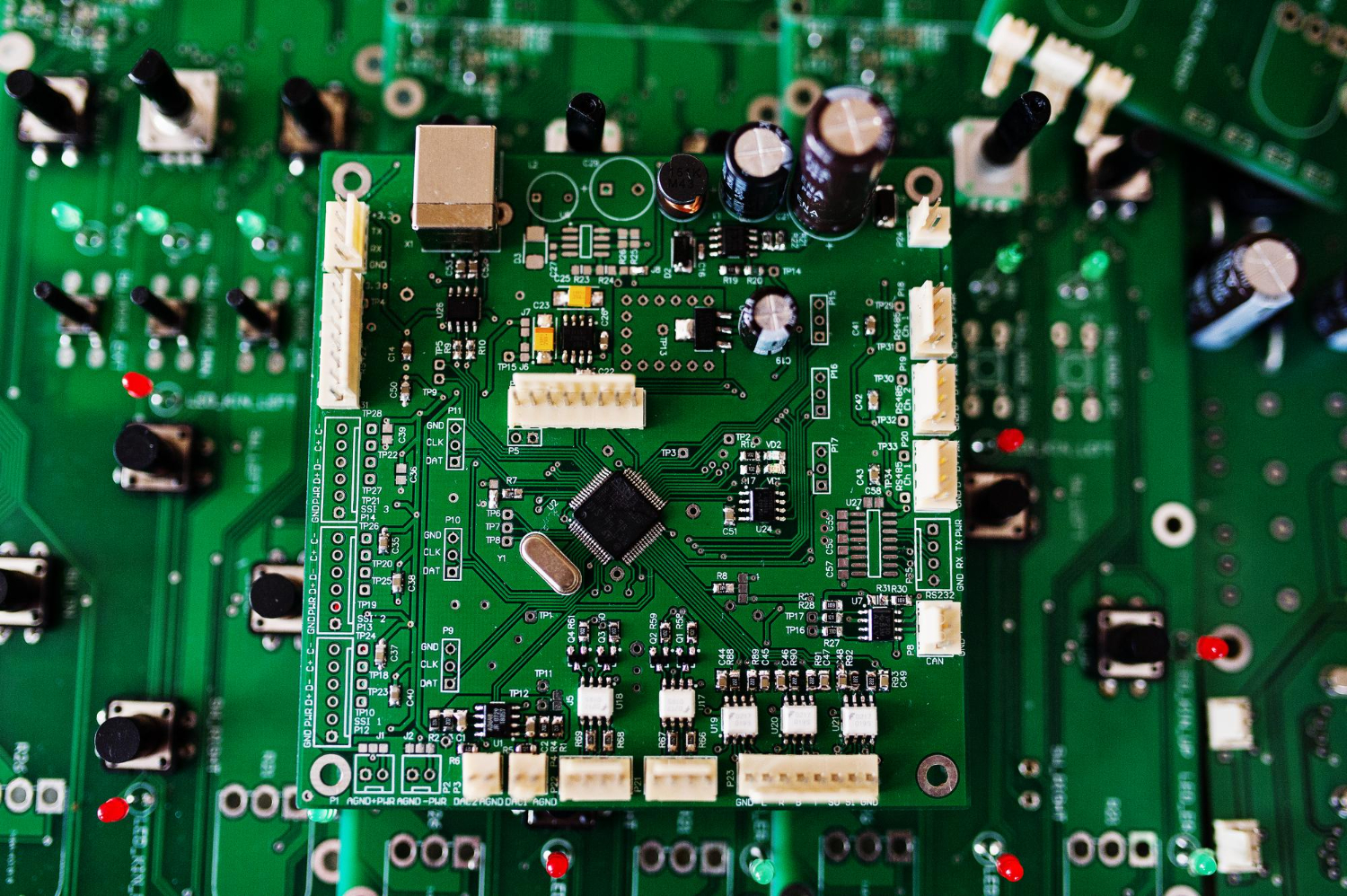
A Thai food-packing plant faced a six-week shutdown when its 25-year-old servo amplifier failed. SMOR reverse-engineered the PCB, fabricated five units, and had the line running in 13 days—saving an estimated ฿9 million in lost output.
SMOR’s RE Workflow
-
Failure Analysis – understand why the original died to prevent repeat issues.
-
Digital Twin Creation – parametric CAD + SPICE model.
-
Prototype Build & Bench Test – IEC 61000-4 EMC compliance.
-
Low-Volume Production – IPC Class 2 or Class 3 as required.

